
 As mentioned in Part 5 and at the top of this series, software that unifies various aspects of automation development is key to IIoT connectivity. Such software typically provides what’s called a universal engineering environment or more commonly an integrated development environment (IDE) to let engineers connect machinery with IT and other facility architectures. In fact, IDEs can also help minimize downtime — the primary enemy of most manufacturing, packaging, and processing.
“Changeovers especially degrade throughput. But as Industrie 4.0 concepts become more widespread due to consumer demands for greater customization and personalization, changeovers are becoming more and not less frequent and necessary,” says Jeff Johnson, mechatronics product manager of Beckhoff Automation.
In practice, this is where IDEs really shine — in rendering automated installations both modular and scalable. That’s illustrated by Lenze’s Plug & Produce software structure mentioned earlier — which makes machine modules capable of coupling automatically and self-coordinating when being joined or rejoined with alternative production-line arrangements.
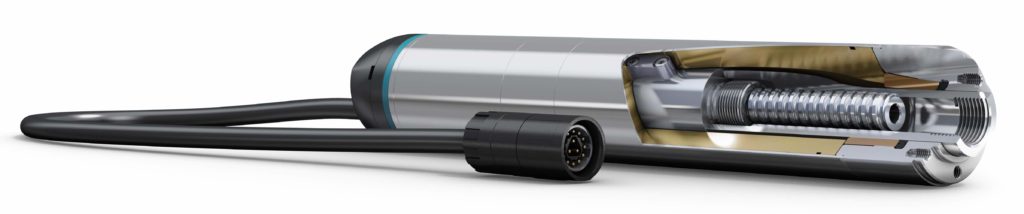
But another strength of standardized IDEs is how they can facilitate the integration of more exotic automation equipment. Consider linear-motor conveyors — also called intelligent transport systems or linear transport systems. Programming for Beckhoff’s linear-transfer system called XTS is relatively simple in part because the XTS can be setup with the same TwinCAT software and EtherCAT network as standard machine controllers.
Johnson cites that as a relatively new option for flexible automation that’s heavily reliant on software for advanced functionalities.
 “Through the implementation of a modular mechatronic transport system in place of inflexible mechanical components, manufacturers can eliminate downtime for changeovers while enabling asynchronous processing. Using our software, program changes can happen on the fly … and in cloud-connected smart factories, machine builder OEMs or offsite engineering staff can remotely execute updates.” The system’s modularity and customizability facilitate rapid changeovers and flexible mass production — down to lot sizes of one, adds Johnson.
Engineers don’t have to learn an entirely new programming platform … and in fact, the software’s motion-control library offers myriad preprogrammed functions for XTS — such as point to point, NC, gearing, camming, and flying saw … along with built in collusion avoidance, notes Johnson.
Yet another feature of the software — integrated into Microsoft Visual Studio — is that it allows programming via IEC 61131-3 languages and computer-science standards.
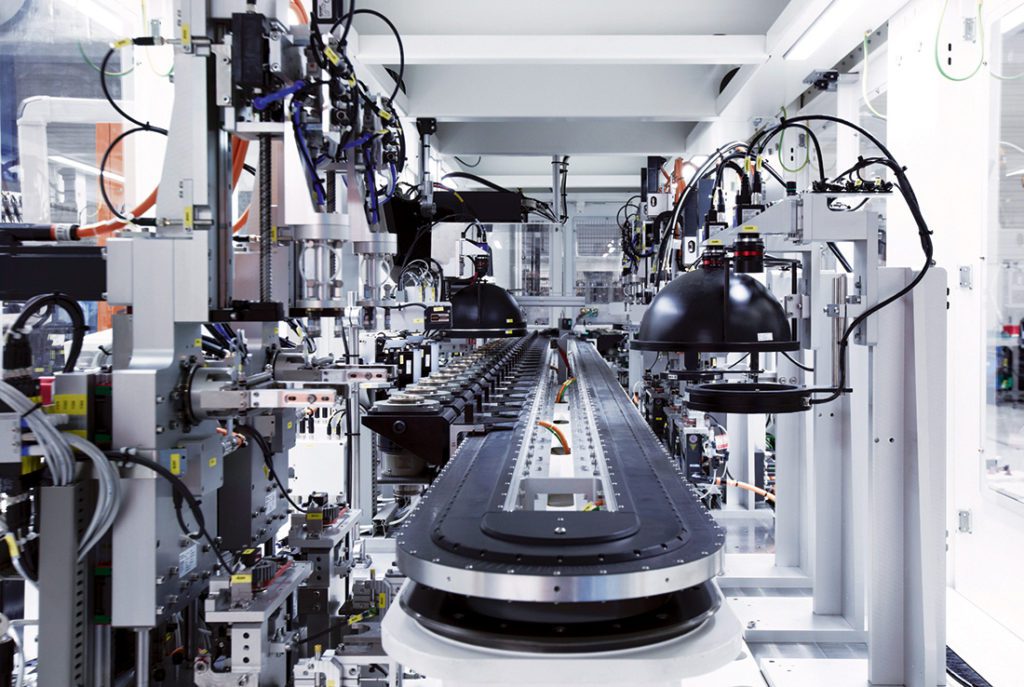
Other automation vendors see value in the same accommodation of a widening array of programming languages. For example, WAGO’s controllers combine established IEC 61131-3 programming methodology (WAGO e!COCKPIT IDE software) with the option of adding newer technologies better suited to IIoT applications. That’s also true of Bosch Rexroth’s new ctrlX AUTOMATION platform, which accommodates IEC-61131 along with programming languages having both established and newer presences in automation applications — such as PLCopen, C/C++, Node-Red, Python, Blockly, Java, and G-Code.
All this software standardization imparts benefits that are synergistic with the line-blurring multi-function hardware formats such as the gateways, HMIs, controllers, and motors described above — which don’t rigidly tie set machine functions to specific components.
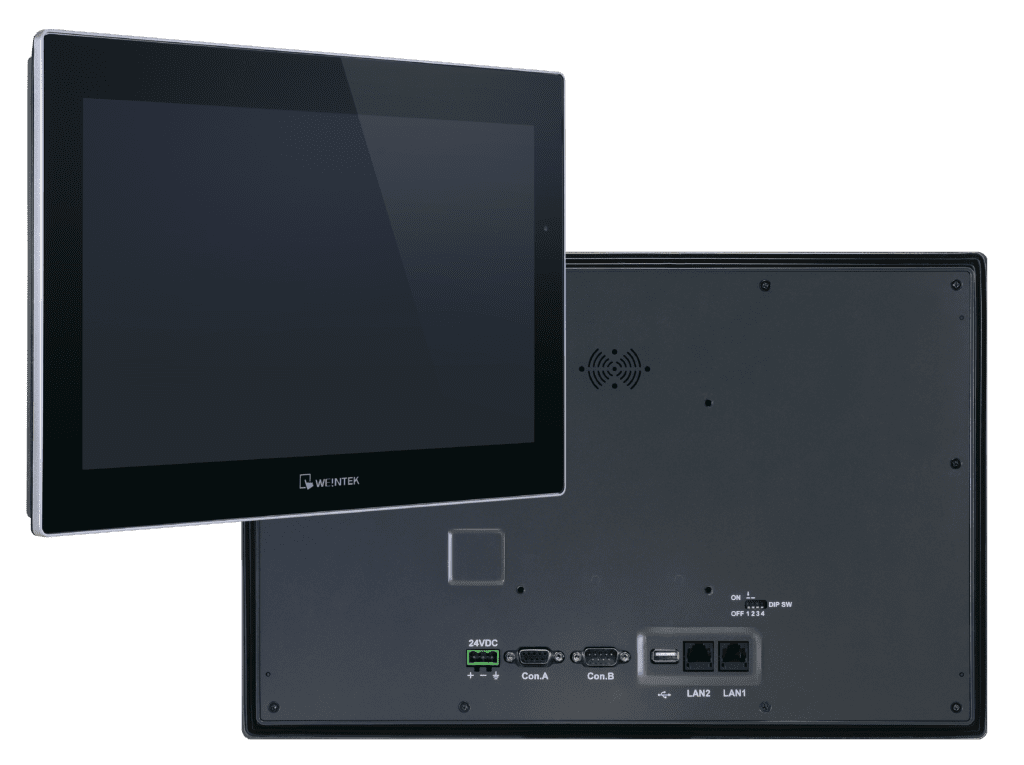
For example, a new line of Weintek cMT X series HMIs allow data display and storage, machine control, PLC communication, protocol translation, alarm notifications, media playback, and IIoT integration. Connectivity includes that via RS-232, RS-485 2W/4W, CAN Bus, Ethernet 10/100/1000 Base-T × 1, and Ethernet 10/100 Base-T × 1.
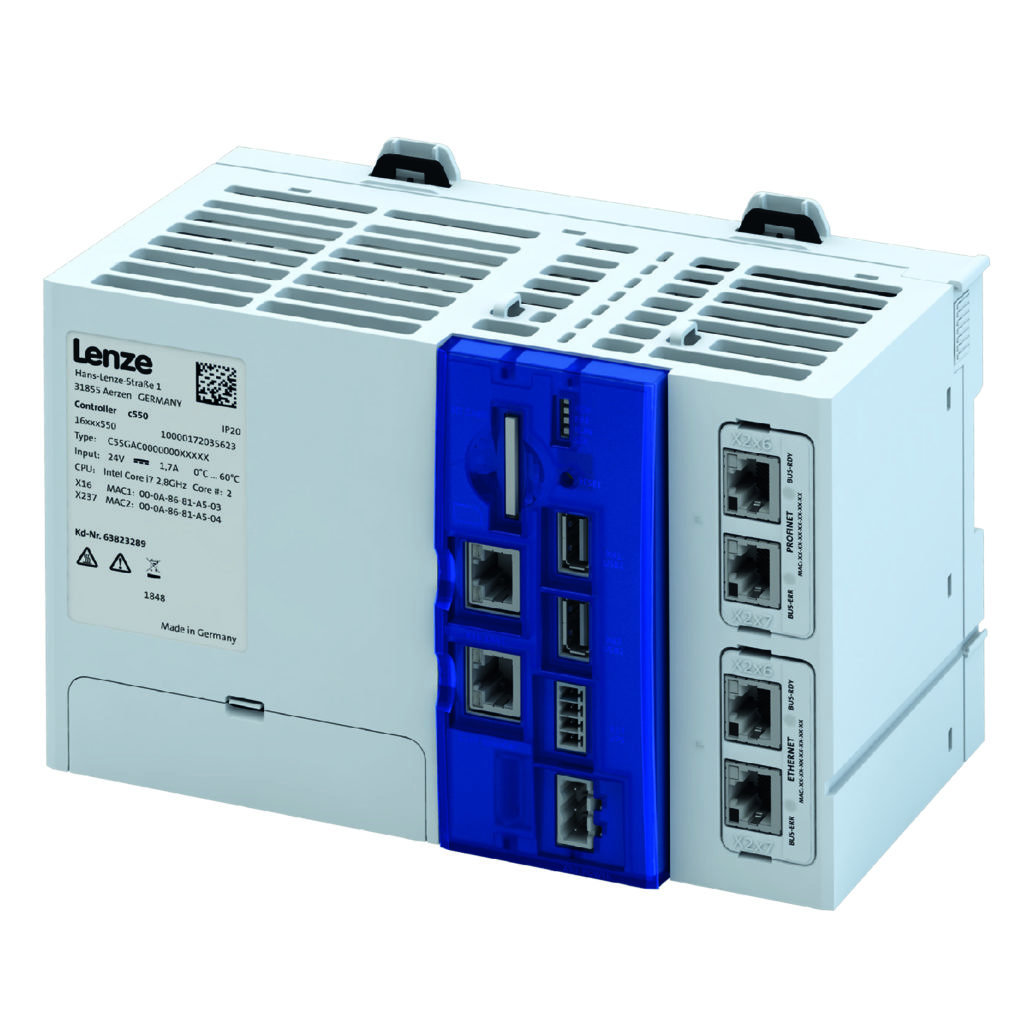
“Similar to the expansion of PLC functions, microcontrollers are also becoming less and less micro … because the Raspberry Pi and similar offerings along with smartphones and tablets are capable of astounding computing power for a low price — so have revolutionized how we in industrial automation think about computing,” explains Tubbs of Bosch Rexroth.
In short, the dominant value for consumer products has moved from the hardware to software. Now (with the typical adoption lag of manufacturing) industrial computing is finally seeing the same trend. After all, industrial-automation processors today can reside almost anywhere — in standalone housings, inside a drive, or on a motor. What’s more important is what runs on the processor. “In our new platform, we run on hardware and scale via software to simplify the maintenance of parts and replacements. Applying functions is as simple as downloading the necessary software — just like on a smartphone,” Tubbs adds.
Here are the links of all the parts of this series. Feel free to tag us on social media when you share.
Part 1 ⚙️ Connectivity and IoT in motion and general automation
Part 2 ⚙️ The role of wireless for predictive maintenance and other connectivity applications
Part 3 ⚙️ Trends in Ethernet, PoE, IO-Link, HIPERFACE, and single-cable solutions
Part 4 ⚙️ Edge computing and gateways proliferate for industrial machinery
Part 5 ⚙️ Protocols and cloud connectivity — MQTT, OPC-UA, and more in motion control
Part 6 ⚙️ IDE and other software for connectivity and IoT design work

Leave a Reply
You must be logged in to post a comment.