In this four-part article series, we cover the fundamentals and new innovations related to EtherCAT. In this installment, we detail how EtherCAT emerged at Hannover Messe 2003 as a hybrid of Lightbus deterministic communication and Ethernet, the IEEE 802.3 Ethernet layers and frame structure at its core, and how it compares with PROFINET, EtherNet/IP, Modbus TCP, and CC-Link IE. We also explain the on-the-fly frame processing and dedicated EtherType that give EtherCAT its performance edge.
EtherCAT is a control automation technology that has become an open IEC standard around the globe for realtime industrial Ethernet communications. It was borne of a segment of automation employing industrial PCs — complete with Ethernet connectivity — for controls.
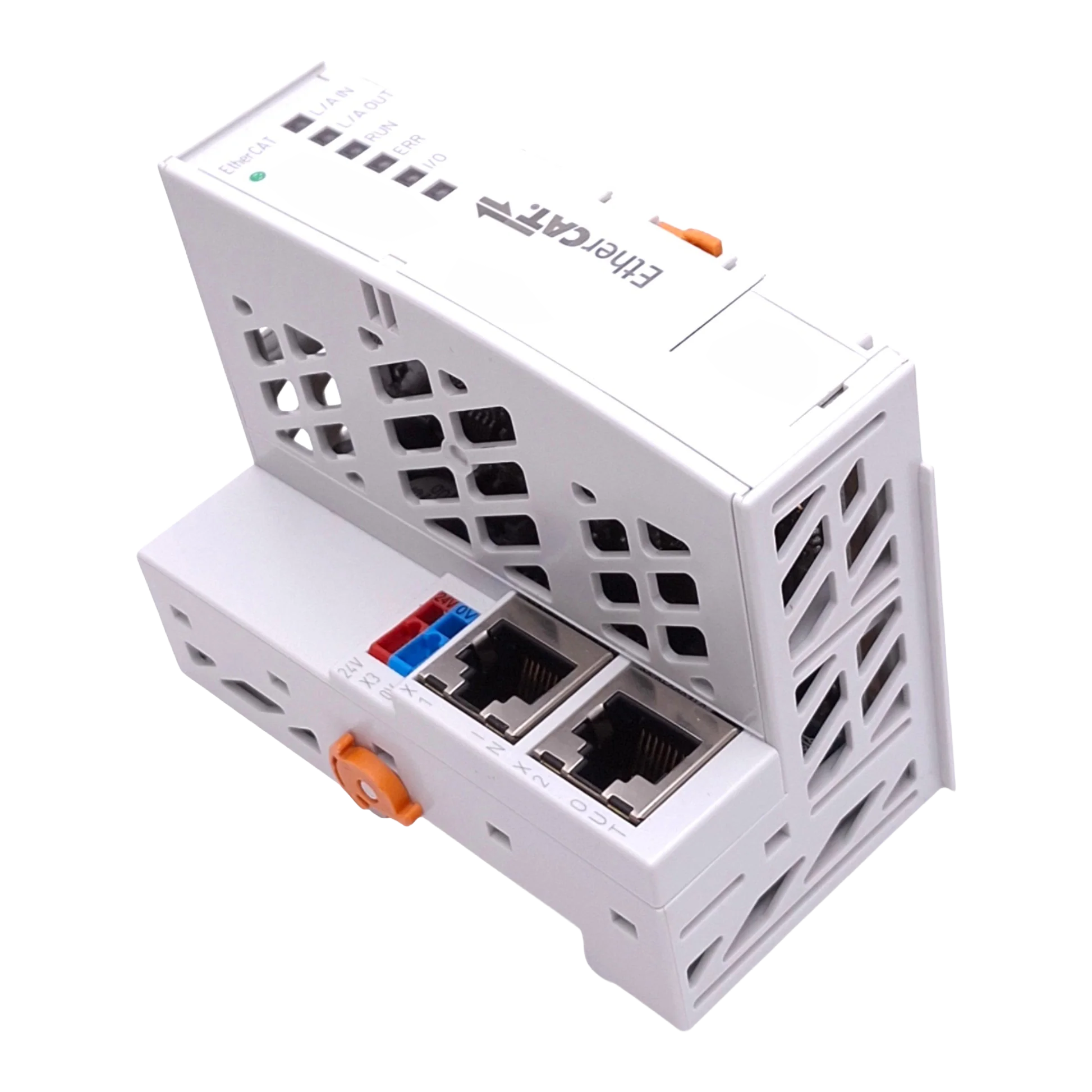
First presented at Hannover Messe 2003 as a way to overcome the performance limitations of other fieldbuses and industrial networking of the time, EtherCAT was a high-performance hybrid of optical-fiber Lightbus deterministic communication (with on-the-fly processing) and Ethernet. This brought together the cost-effective interface of Ethernet that had already become standard for processors of all types with the guaranteed cycle-accurate timing needed for next-generation industrial controls.
Following is an interview we recorded a couple years ago about EtherCAT’s founding …
Adoption has only accelerated in the three years since that video was taken.
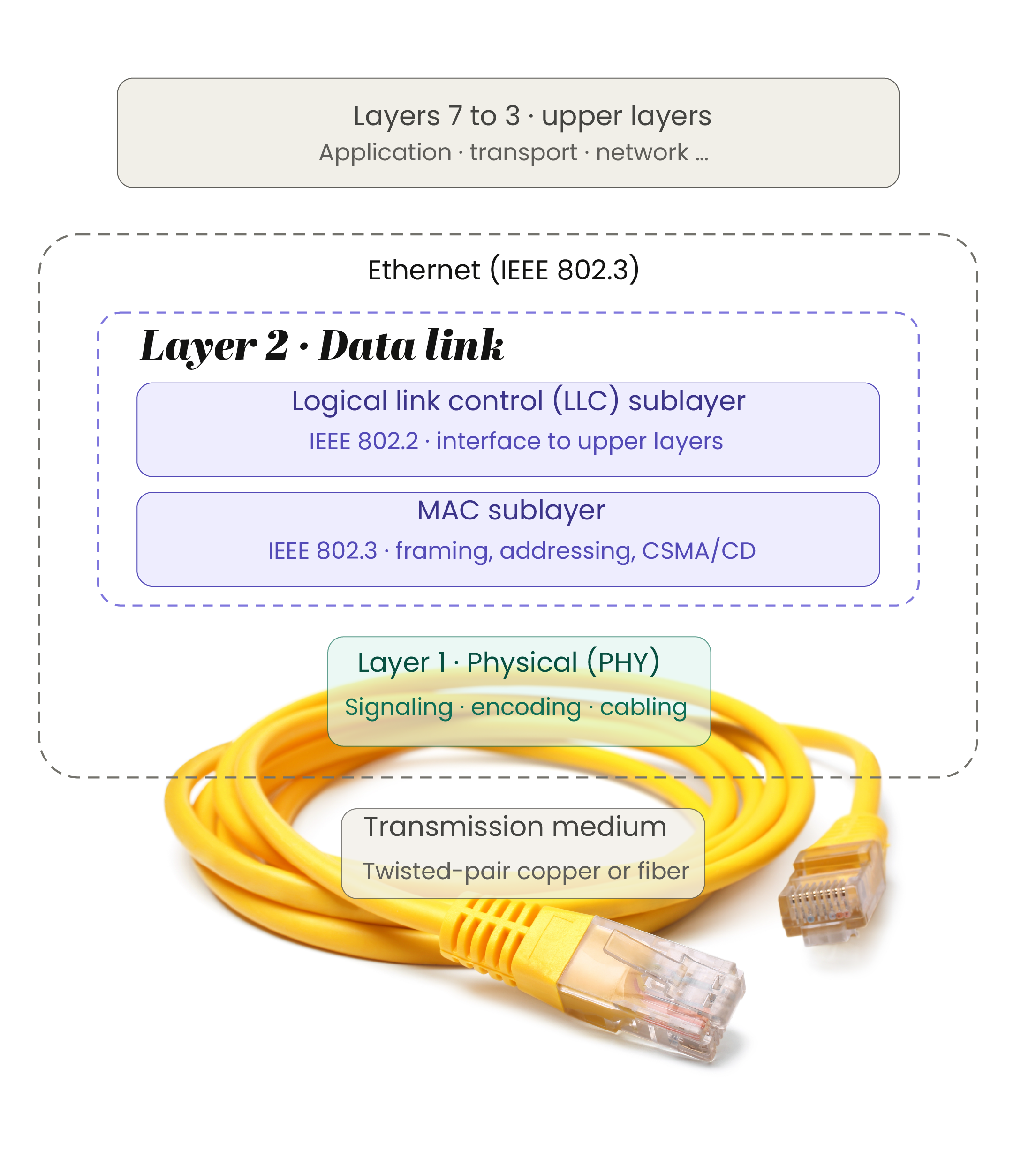
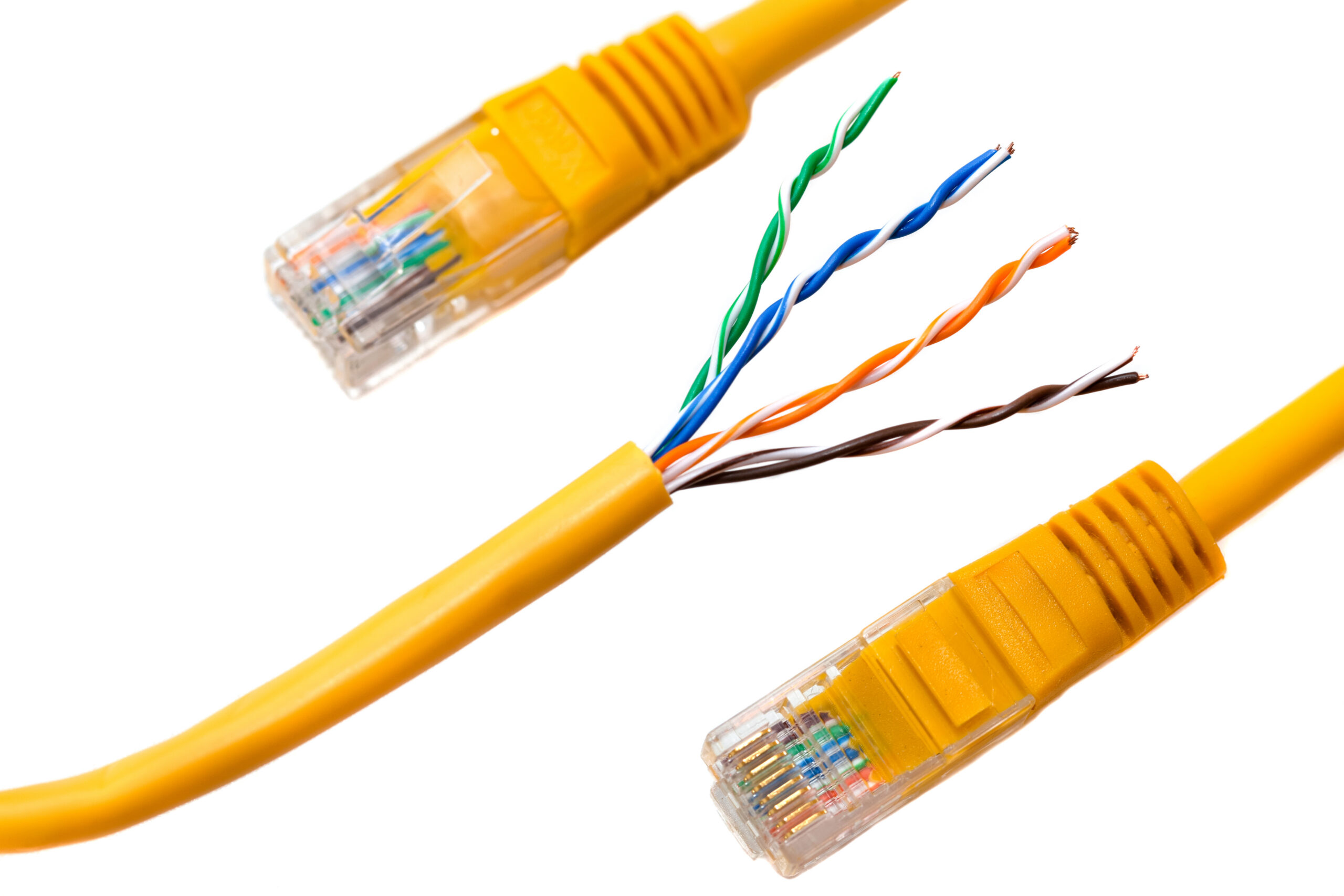
So, Ethernet is at the core of EtherCAT. Ethernet in turn was invented in the 1970s at Xerox and then commercially standardized and set as an IEEE 802.3 standard — complemented by 802.1 and 802.2 defining how Ethernet networks and switches behave. Today’s wired Ethernet runs over fiber optics or (more commonly) twisted-pair copper Cat5 or Cat6 cables terminated with RJ45 or M12 connectors. Speeds evolved from 10 to 100 Mbps and then to Gigabit Ethernet and now beyond.
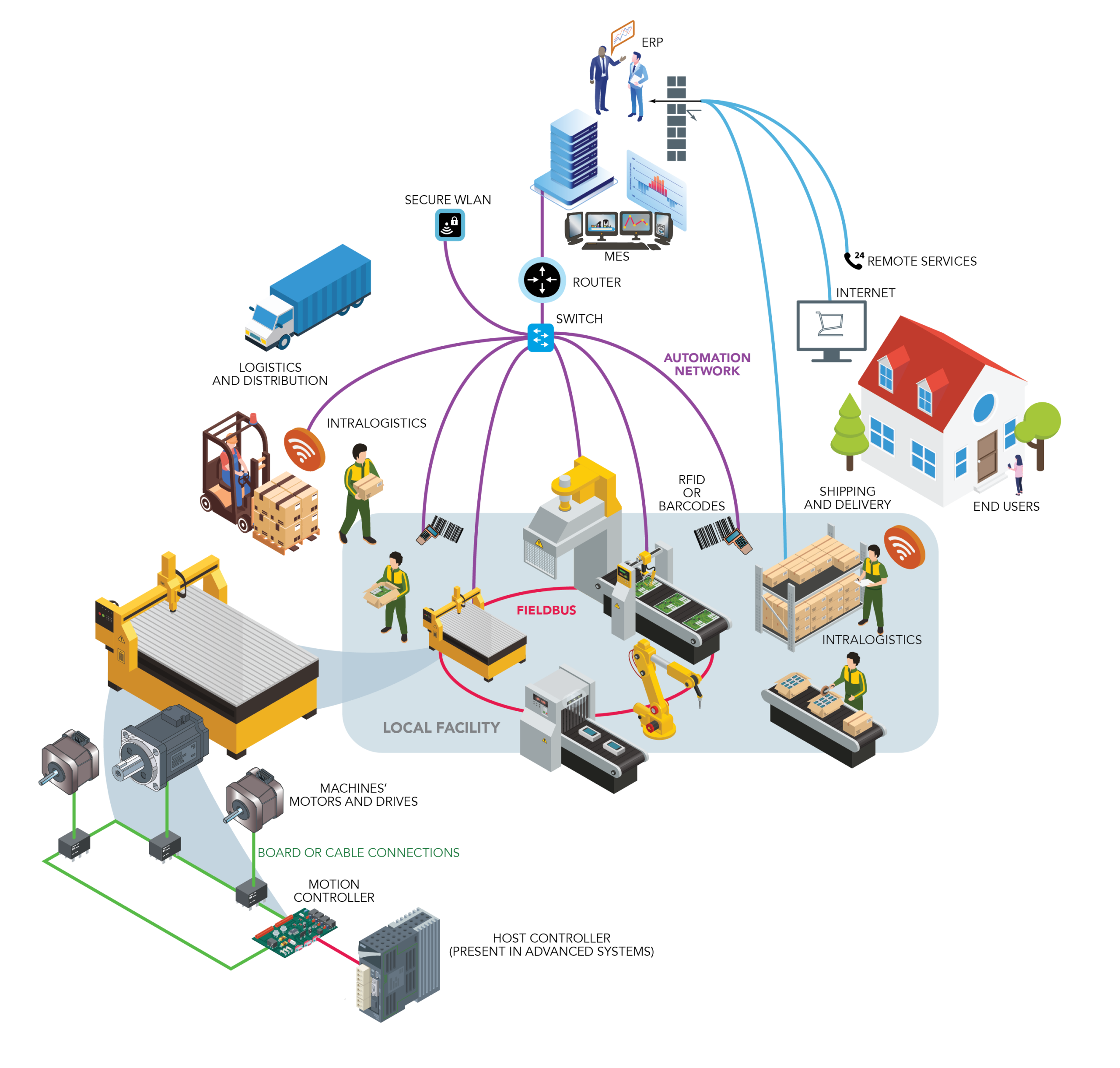
Standard Ethernet networks in office or enterprise applications have a star topology using switches. In contrast, Ethernet used in networks for industrial automation feature all kinds of hardware and logic for physical connections in a star, tree, ring, line, point-to-point, or hybrid arrangements.
In fact, the 802.3 standard defines wireless connections as well … these are increasingly employed in industrial applications and often have mesh topologies largely for monitoring functions that don’t need to be deterministic.
Ethernet at EtherCAT’s core
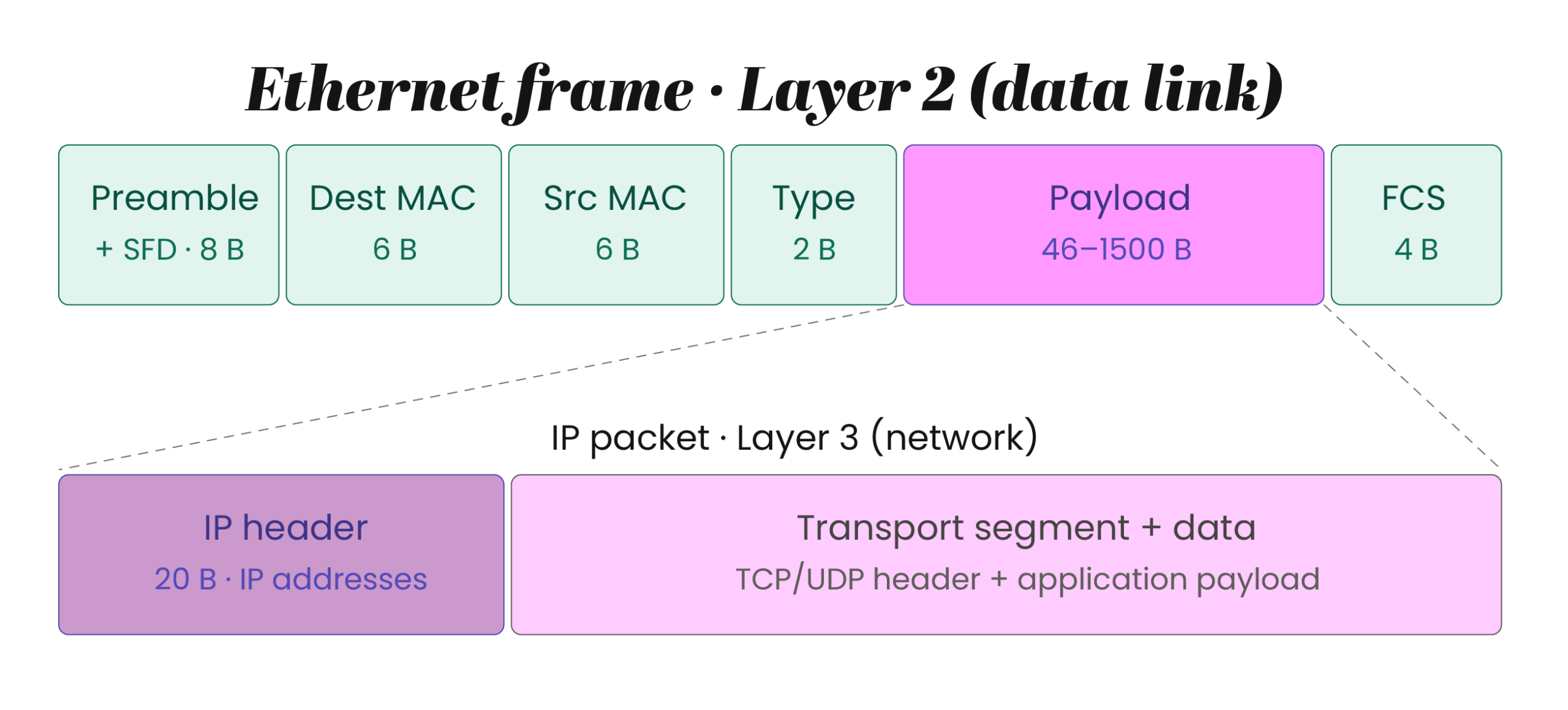
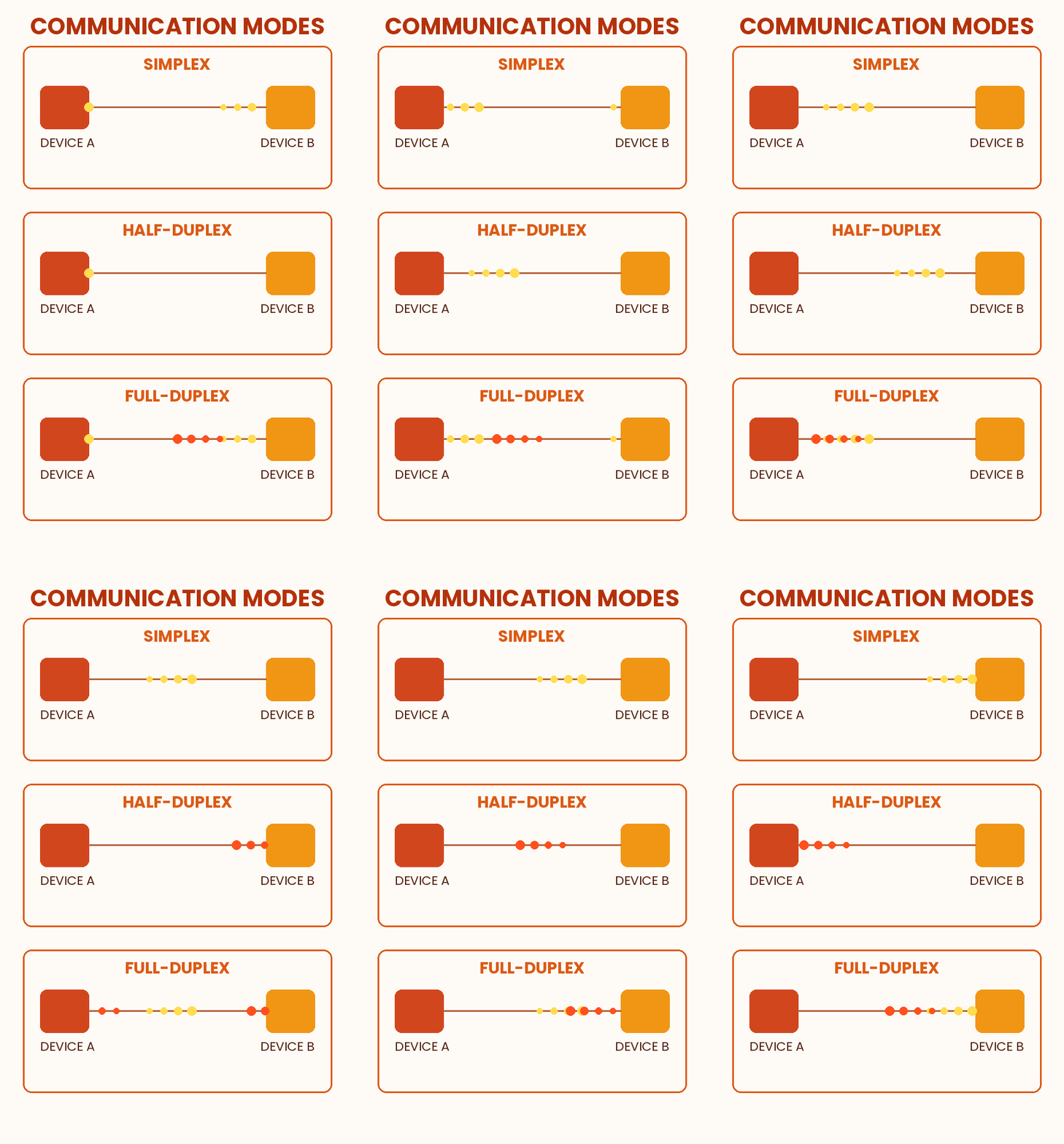
The Open Systems Interconnection or OSI model is a reference model from the International Organization for Standardization (ISO) often used to describe Ethernet-based systems as well as other connectivity technologies. Ethernet occupies the bottom two OSI layers. Layer 1 (physical) defines signaling, encoding, and cabling. For example, 100BASE-TX is the dominant IEEE 802 Ethernet specification in industrial applications. It runs 100 Mbps full-duplex over two twisted pairs with a 100-meter reach and RJ45 or M12 connectors.
Relating Ethernet to Ethernet-based industrial protocols

In industrial automation, a fieldbus is the physical highway for communications. A protocol defines the traffic laws and rules of the road by defining the traveling data’s architecture, packet structure, command sets, error checks, addressing, and timing for communications.

Industrial Ethernet-based protocols continue to overtake traditional fieldbuses … and in fact, Ethernet-based protocols are now employed in close to half of all industrial networks. Some fieldbuses are more reliable than legacy nondeterministic Ethernet offerings having low data rates. Taking market share are Ethernet-based options with rates of at least 100 Mbit … and 802.3 1-Gbit/sec or GbE for tracking and processing of data in realtime. Bus protocols are still sufficient for many simple industrial tasks, so we’ll see those used for decades to come.
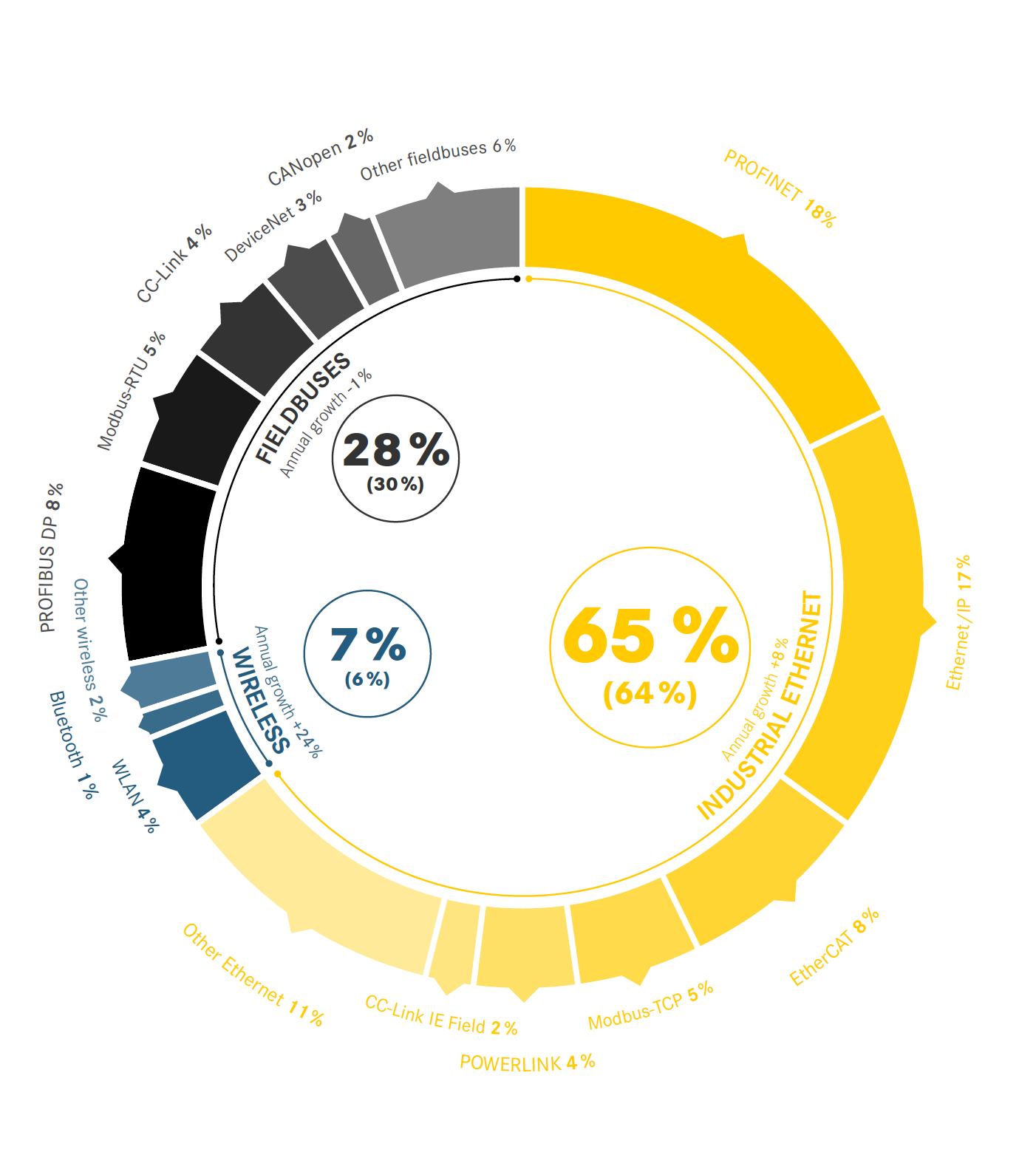
Some of this is an oversimplification, but protocols capitalizing on Ethernet include:
Ethernet for Control Automation Technology (or EtherCAT) with adoption worldwide … including Asia.
PROFINET common in Europe and surrounding the Siemens ecosystem.
EtherNet Industrial Protocol or IP (managed by ODVA) common in North America and surrounding the Rockwell Automation ecosystem. EtherNet/IP provides communication between controls and I/O with adaptations for deterministic multi-axis motion control.
Modbus Transmission Control Protocol or TCP/IP common in North America and surrounding the Schneider Electric ecosystem.
CC-Link IE common in Japan and surrounding the Mitsubishi Electric ecosystem.
The Ethernet-based Serial Realtime Communications System — SERCOS III — is by many accounts a legacy technology.
Different Ethernet protocols’ terminology
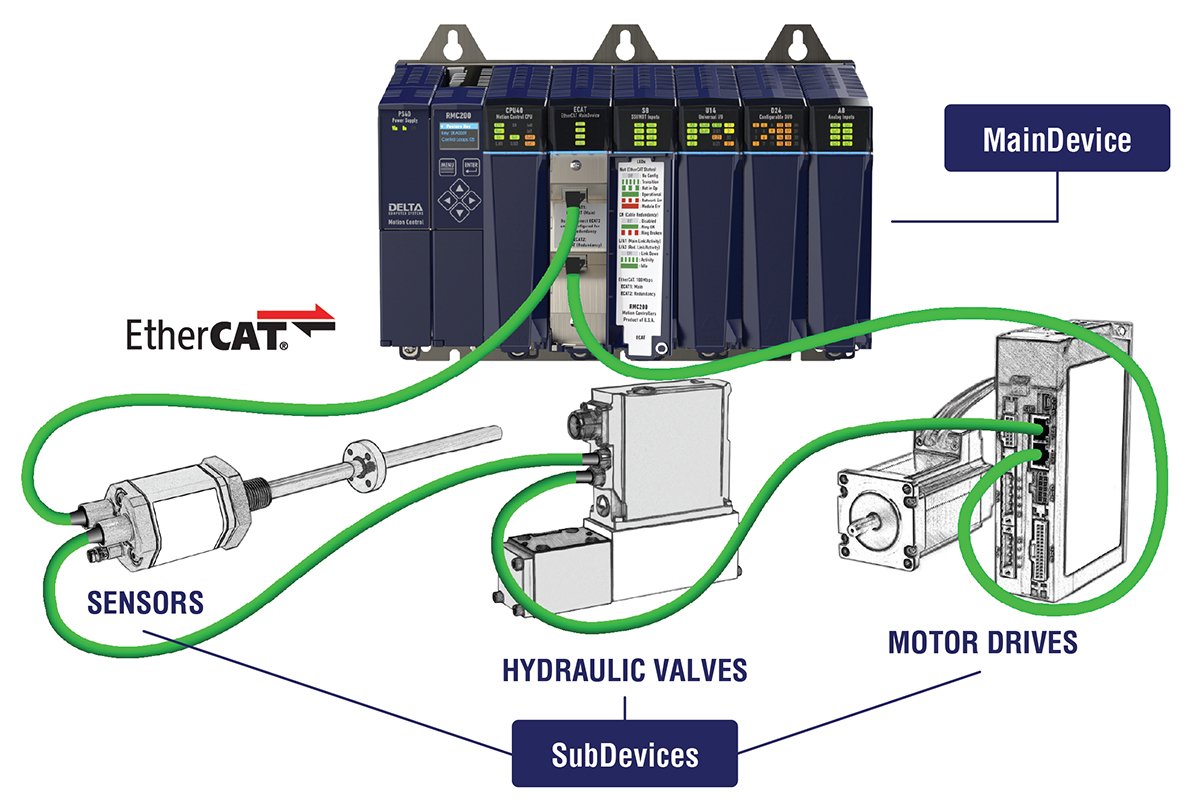
These industrial protocols differ in how they use Ethernet. To discuss how exactly, we need to return to the OSI model. The OSI’s Layer 2 (data link) defines framing and addressing …
- Of the commands from a controller device a.k.a. main …
- To devices acting as nodes a.k.a. addressable endpoints a.k.a. subs.
This article series uses main and sub to refer to these devices because those terms now dominate. We’re also using the term device as mechanical engineers might use that word to refer to complete industrial components — and not how electronics engineers might use the word. Old references used master/slave … and controller/device, primary/secondary, or client/server are used in the context of PROFINET, EtherNet/IP, and Modbus. Also used are EtherNet/IP scanner, PROFINET IO controller, and Modbus TCP main. We’ll avoid the use of the plural “mains” and conjuring its association with ac power supplies.
Ethernet hardware and communications in frames
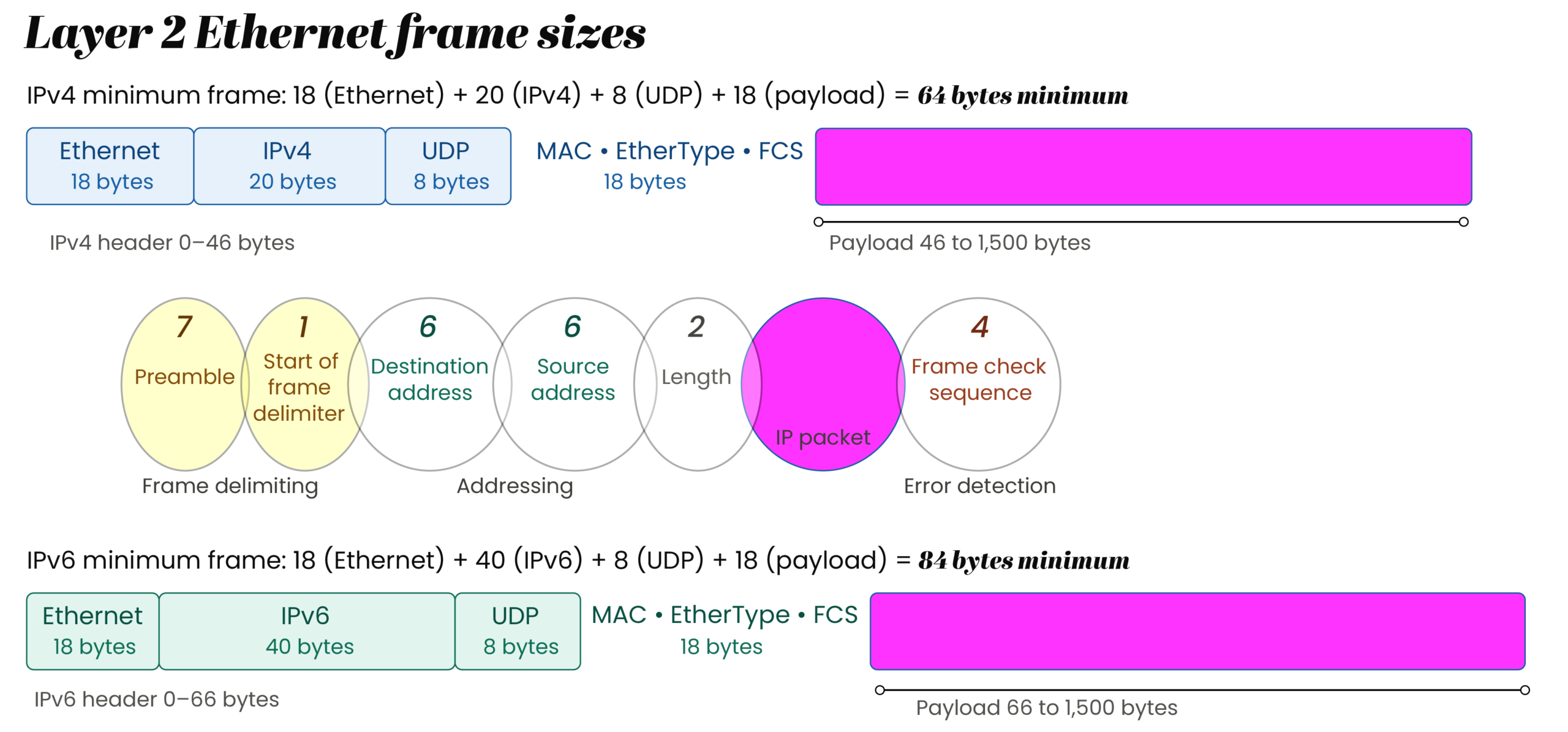
So, why frames at all? To be organized. Wire carrying an undifferentiated stream of raw bits doesn’t communicate where one device’s data starts or stops, what device sent it, to which sub that data should go, or whether it arrived intact. Frames avoid all these problems by bundling chunks of data in a fixed structure having a preamble and delimiter marking the start, source and destination media access control or MAC addresses (a 48-bit ID for each piece of networked hardware), the data payload, and a cyclic redundancy check or CRC for error detection.
This structure does three things:
- It lets hardware parse transmissions at wire speed.
- It allows sharing of the Ethernet wires.
- It lets every network layer know where its responsibilities begin and end.
That’s in addition to addressing and making errors easier to detect and resolve. There’s a relatively new reference on this topic at ethercat.org.
EtherCAT’s #1 strength
EtherCAT’s core strength is that it sends frames around the network without stopping at each node … and those frames offload and load data as they move past devices. So, every frame from the EtherCAT main has data for all devices (nodes) — and as the frame travels ‘round and back, each node reads its inputs and adds its outputs to go back to the main. There’s never any wastefully small data payload traveling alone, letting EtherCAT use network bandwidth efficiently.
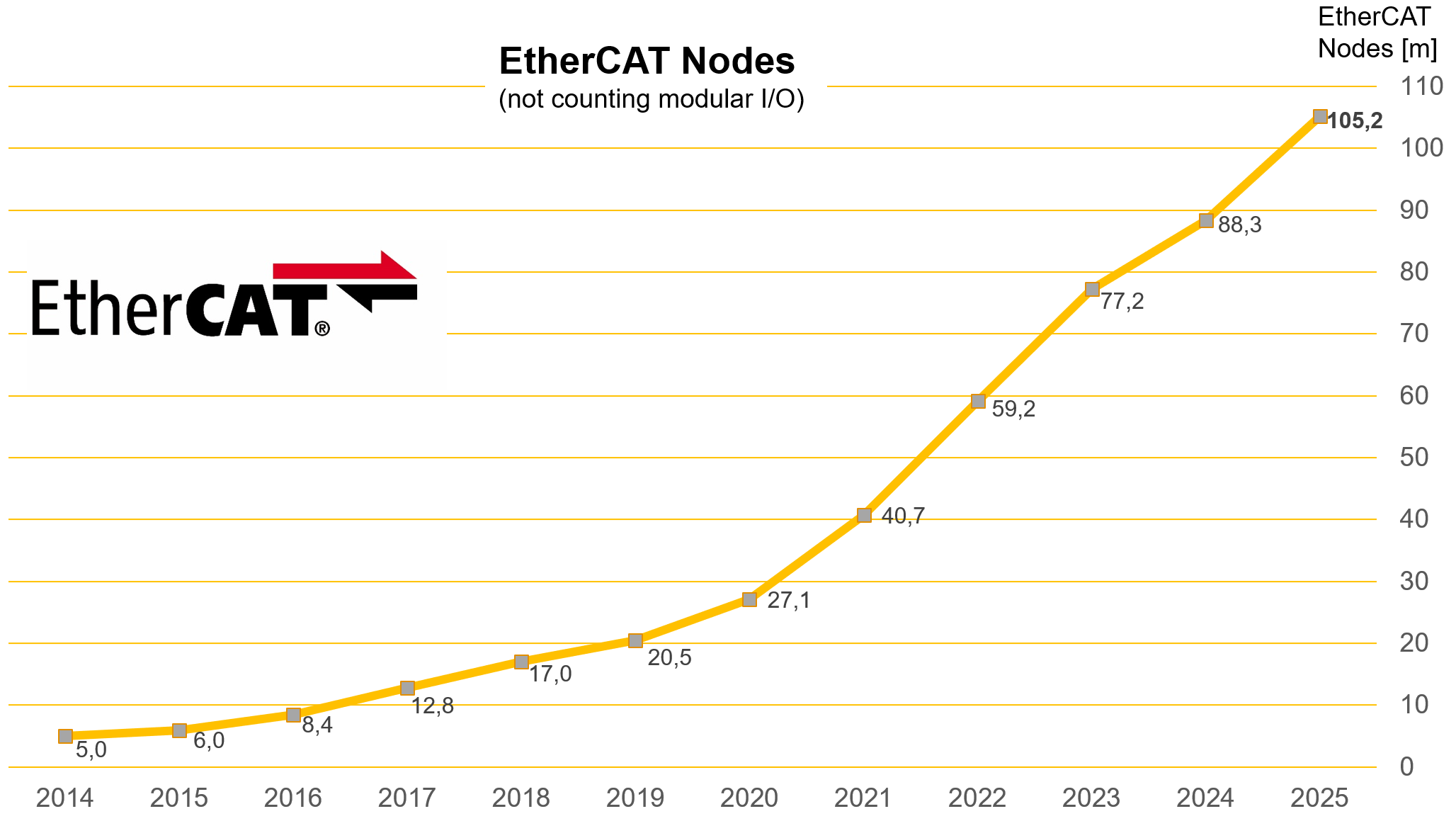
This functionality is possible because EtherCAT uses Ethernet frames in the most unique way. Its frames have a standard header (with length identifier, reserved bit, and type integer) but they eschew the IP frame for process data objects or PDOs that correspond to the subdevices and their messages.
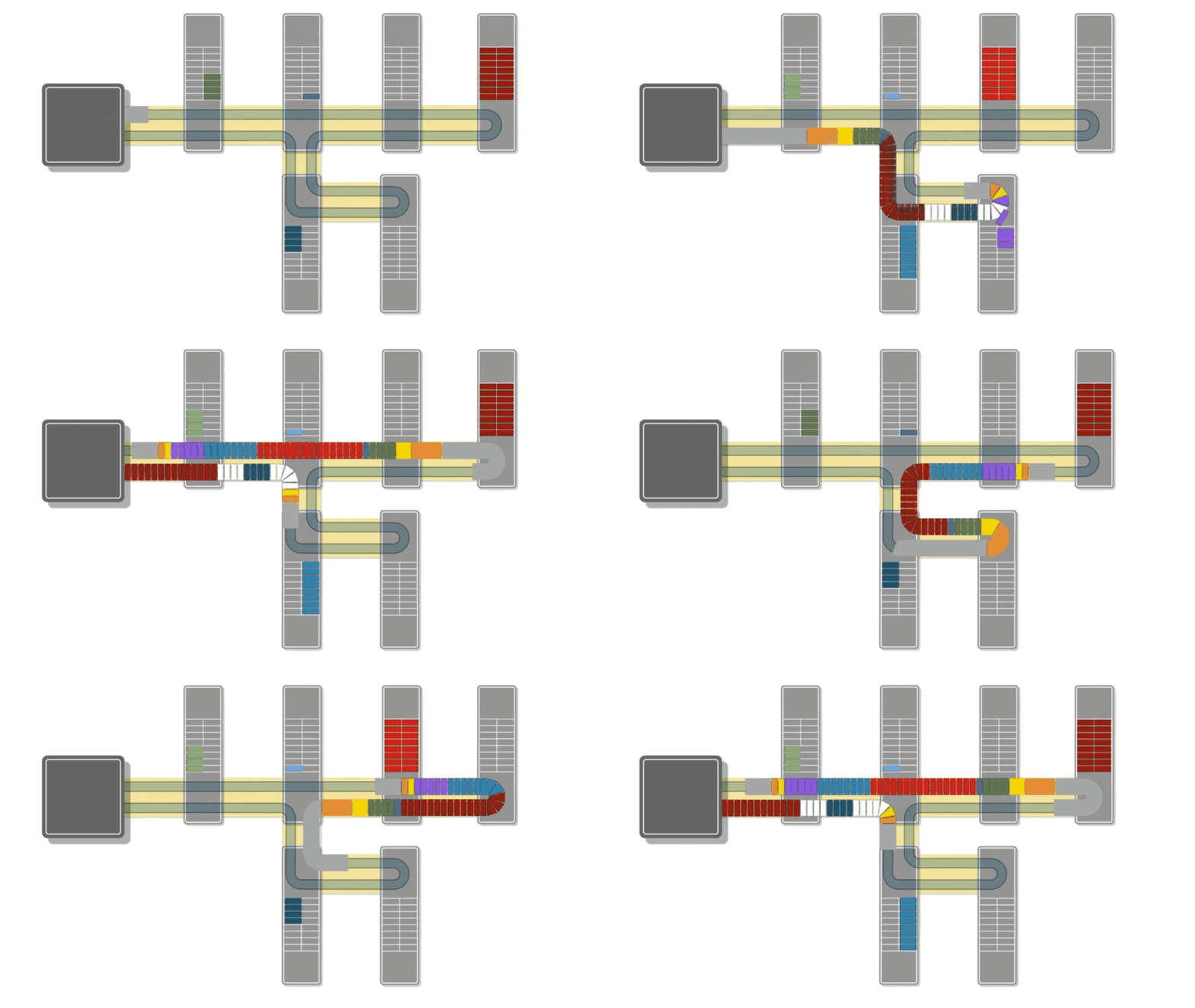
The performance that’s possible with this approach has driven adoption. As of April 2026, 105.2 million EtherCAT nodes were installed around the globe.
EtherTypes in industrial protocols
The EtherType field identifies the payload’s protocol. EtherCAT and PROFINET register their own EtherTypes because their frames aren’t ordinary IP traffic. EtherCAT does this to bypass IP entirely and process frames in-transit. PROFINET does this so switches can distinguish time-critical realtime traffic from standard acyclic messages. In contrast, EtherNet/IP and Modbus TCP/IP do use standard IP, so don’t need anything special from the network layer.
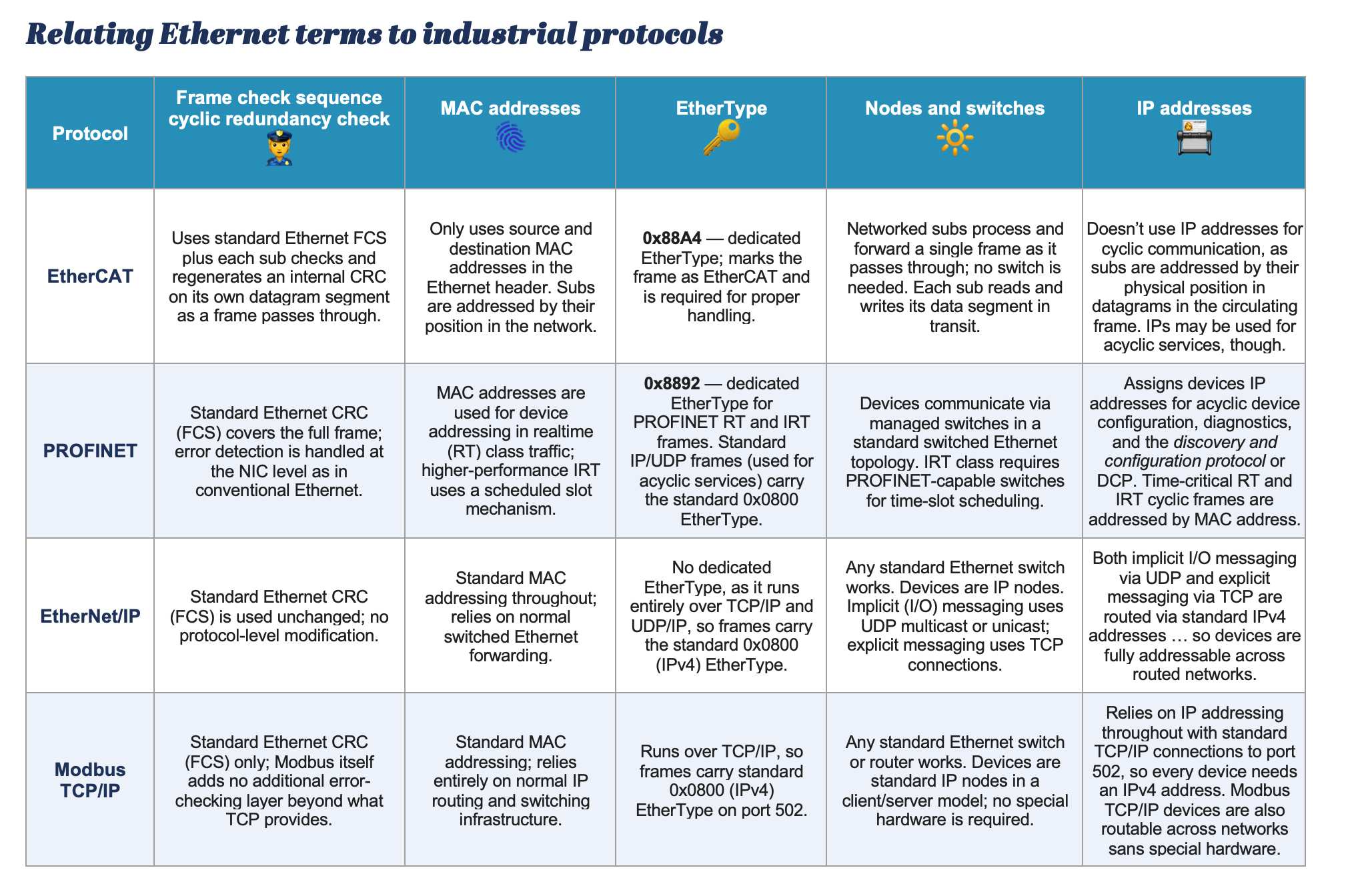
EtherCAT is identified by EtherType 0x88A4 and (unlike other industrial Ethernet protocols) omits TCP/IP at the fieldbus level and processes frames in hardware as they passthrough each device (node).

Leave a Reply
You must be logged in to post a comment.