In this four-part article series, we cover the fundamentals and new innovations related to EtherCAT. (Read the previous installment here.) In this final installment, we detail Power over EtherCAT and EtherCAT P, the CANopen over EtherCAT or CoE application profile, and EtherCAT’s compliance with the European Union’s Cyber Resilience Act. We also cover motion-control and other EtherCAT applications, emerging alternatives such as OPC UA FX and CAN XL, and functional safety with FailSafe over EtherCAT or FSoE.
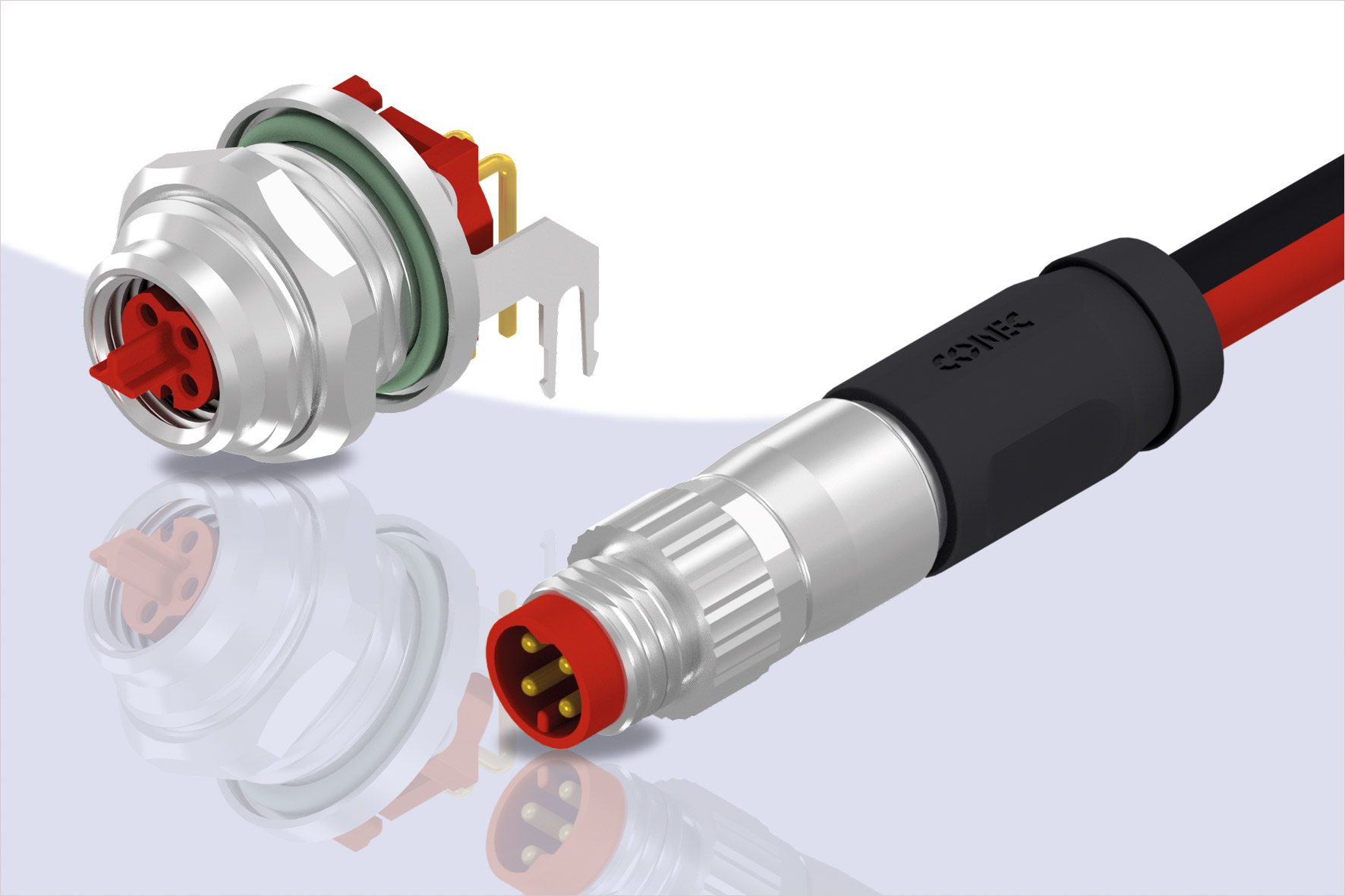
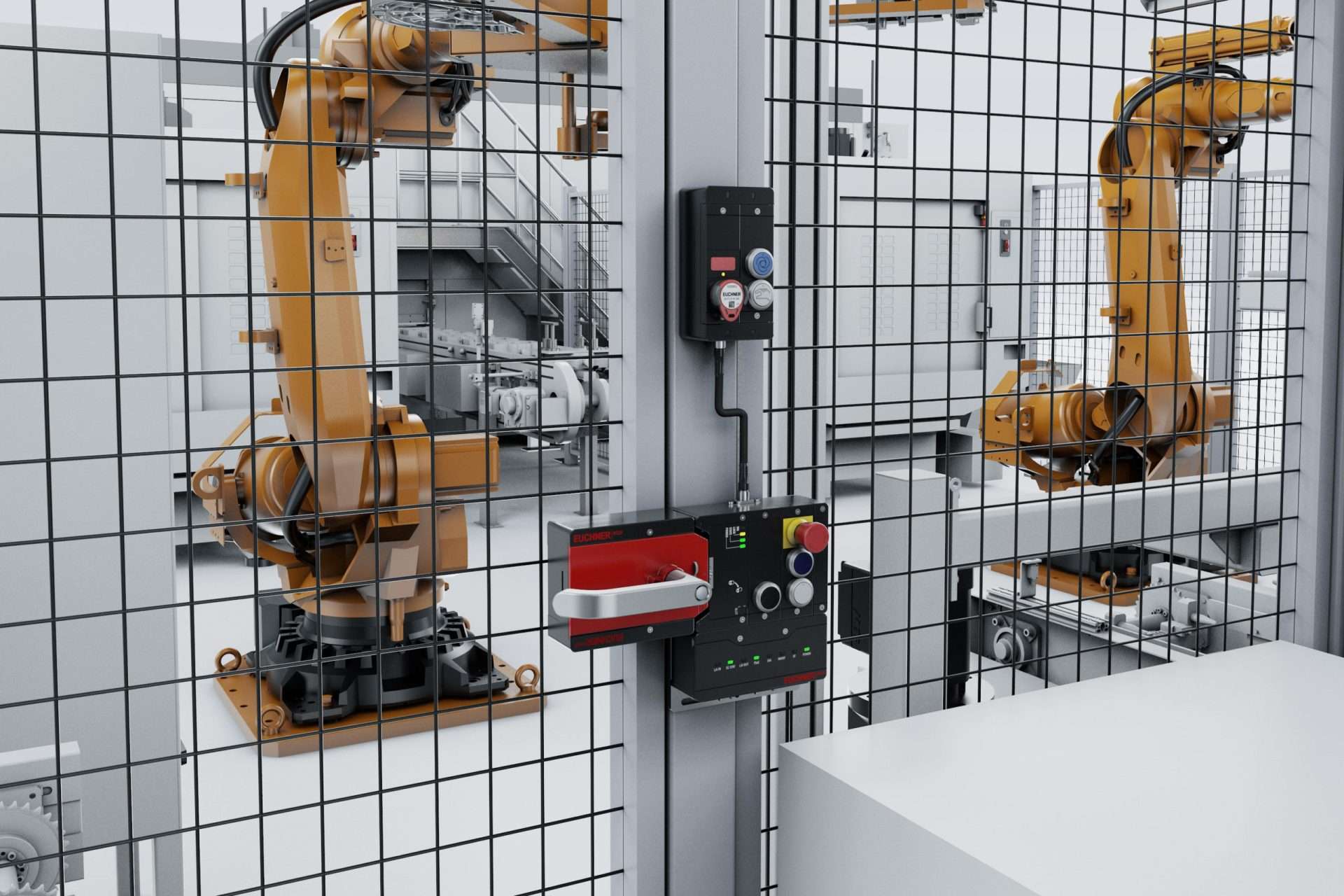
In widespread use (especially to enable certain forms of distributed controls) is IEEE 802.3af/at/bt Power over Ethernet (PoE) technology. It’s most commonly used for IP cameras, wireless access points, VoIP phones, and modest motion-actuator applications. Source output is 44 to 57 Vdc and 0.35 to 0.96 A per pair. Power over EtherCAT includes a base sensor variant delivering 48 Vdc to 350 mA as well as EtherCAT P delivering dual 24 Vdc supplies to 3 A each … and high-power connector variants scaling to 850 Vdc or 630 Vac and to 72 A. That’s useful for distributed I/O, sensors, small drives, and actuators in compact machine cells.
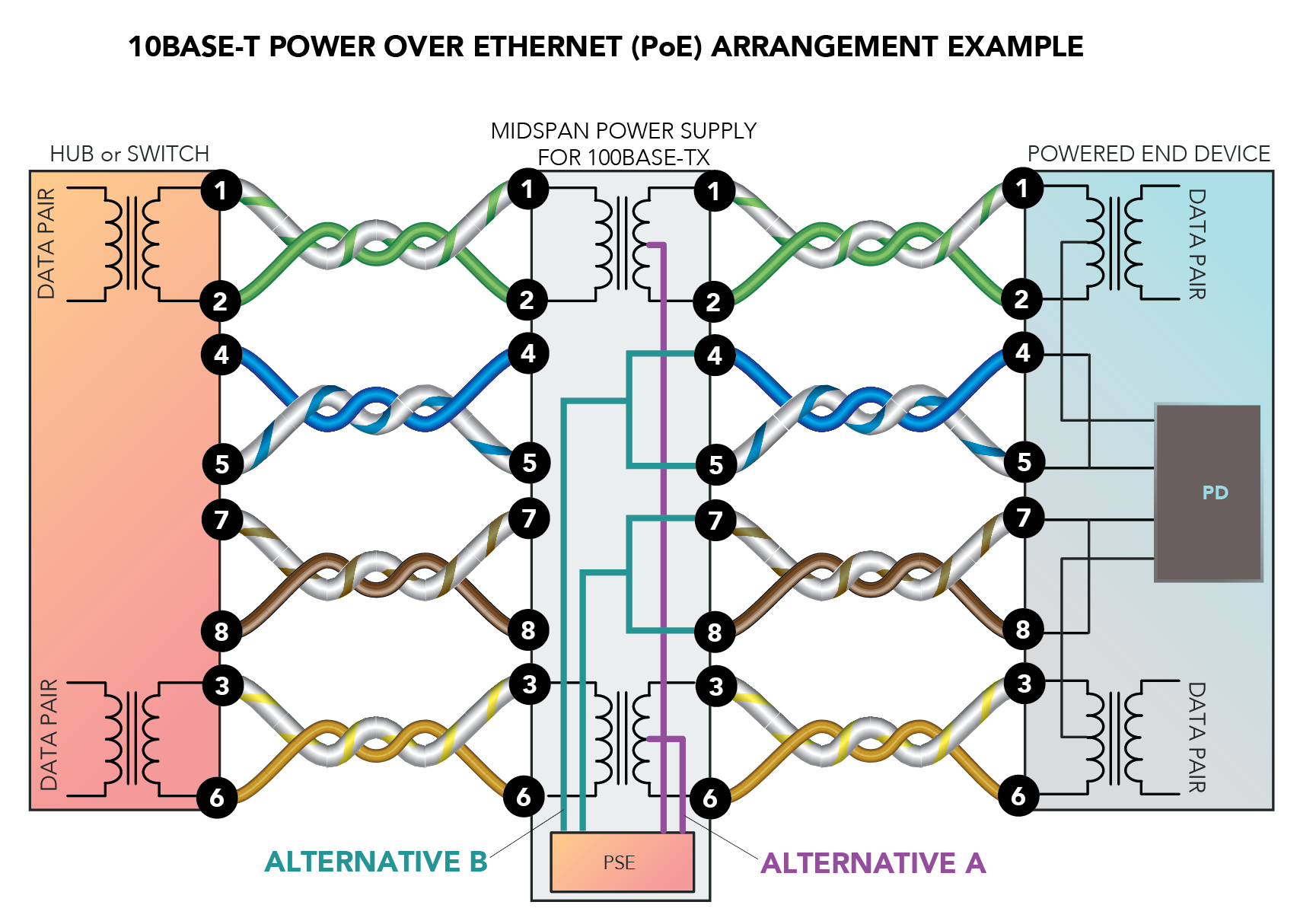
EtherCAT-ready automation components
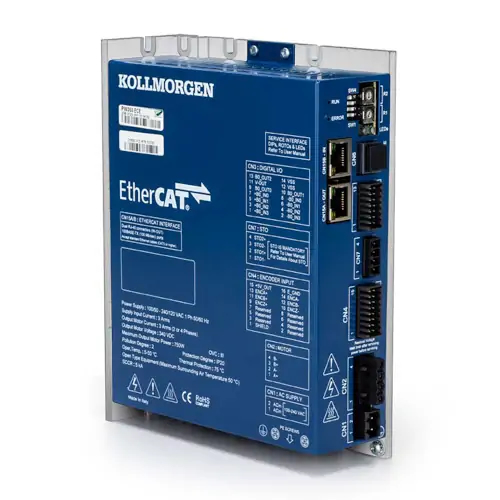
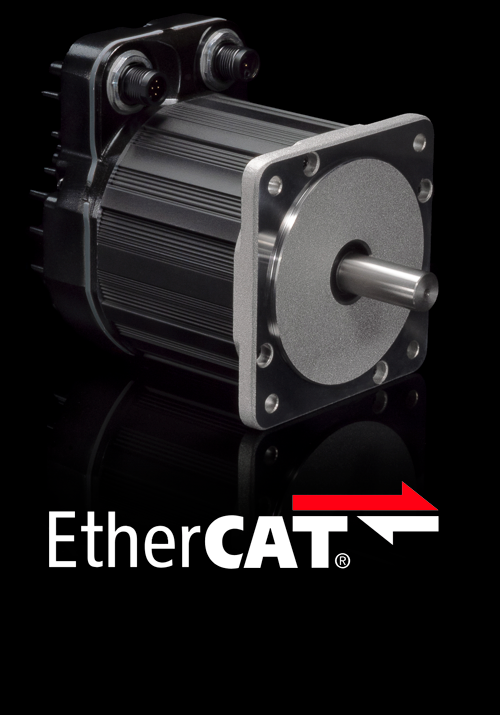
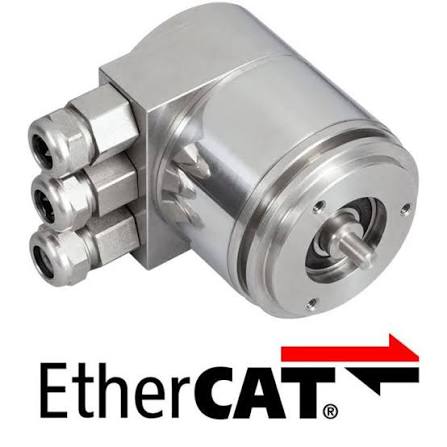
Drives, controls, encoders, sensors, and integrated smart motors with EtherCAT connectivity abound and include stepper drives, VFDs, and servodrives integrated into multi-axis machinery needing command over position, velocity, torque, and more. For FSoE are EtherCAT I/O blocks, safety drives, switches, light curtains, and emergency stops.
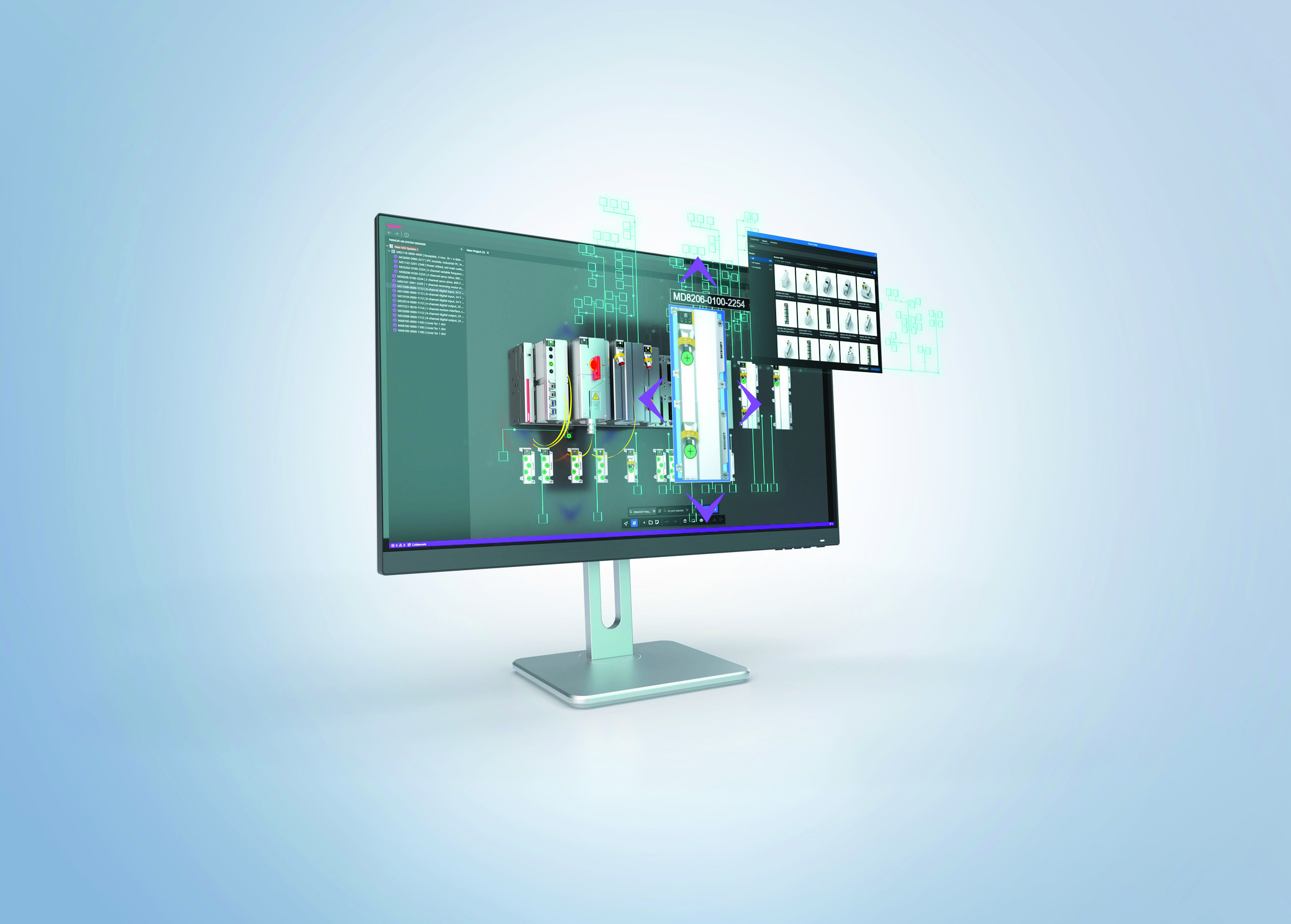
The CANopen EtherCAT Ethernet turducken
The OSI model’s application layer contains services and objects specifically written to trigger actual machine functions. Here, EtherCAT very often carries the CANopen over EtherCAT or CoE application profile — adopted by EtherCAT at its inception in 2003.
Why CAN? Well, many servodrives had firmware based on the CAN in Automation CiA 402 standard; many motion controllers relied on its software libraries to parse object dictionaries, interpret bits, and command transitions. CoE gave countless vendors an easy way to adopt EtherCAT.
CAN itself was released by Robert Bosch GmbH in 1986 to replace point-to-point automotive wiring — and was always an open standard to encourage adoption. It was also freely licensed to semiconductor manufacturers who then flooded the market with affordable CAN chips. Industrial engineers began repurposing these CAN chips for factory automation … prompting the formation of the CiA in 1992 to establish the CANopen standard. CAN also spurred the development of DeviceNet of Allen-Bradley (and later the ODVA). Today, CANopen is obviously still used in motion control as well as commercial vehicles, maritime vessels, medical equipment, public transportation systems, and elevators.
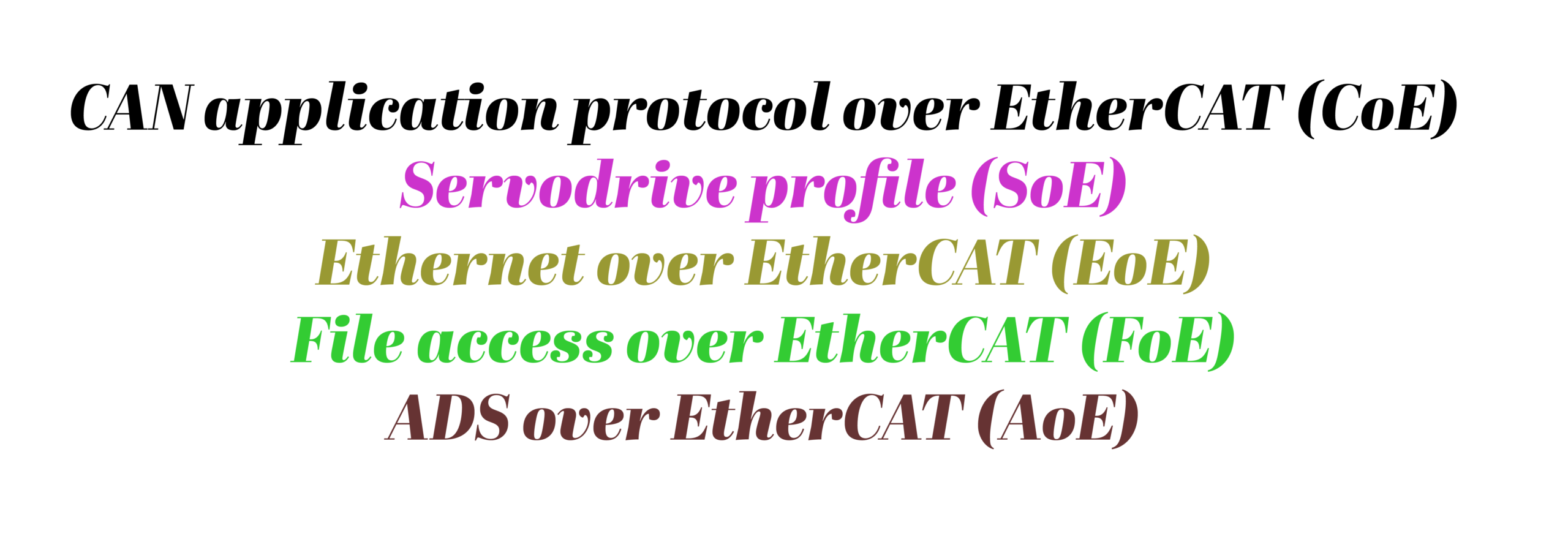
In short, EtherCAT uses CANopen’s logical architecture while discarding its physical limitations and bitwise bus arbitration.
Cybersecurity with EtherCAT
It was announced November 2025 that EtherCAT meets the requirements of the European Union’s Cyber Resilience Act or CRA Security Level 2 without modification. Extensions are being prepared for applications with higher security needs. Downward-compatible protocol extensions alongside a dedicated certification authority (CA) will help component suppliers provide authentication with their products. TÜV SÜD is working with the EtherCAT Technology Group on an assessment report.

EtherCAT avoids trojan and virus malware exposure via IP at its subdevices so can be handled like a fieldbus at its extremities. Processing on the fly means any frames not native to EtherCAT are discarded. In addition, the master controller can deactivate unused device ports and detect newly inserted unauthorized devices.
To be sure, there have been application-layer attacks such as Stuxnet (targeting Siemens PLCs), TRITON (targeting Schneider Triconex controllers), and PIPEDREAM (targeting TCP and CIP communications as well as Omron drives over EtherCAT). However, these are extremely exotic. The first line of defense is protecting the EtherCAT main with enterprise-grade systems.
EtherCAT applications (including motion control)
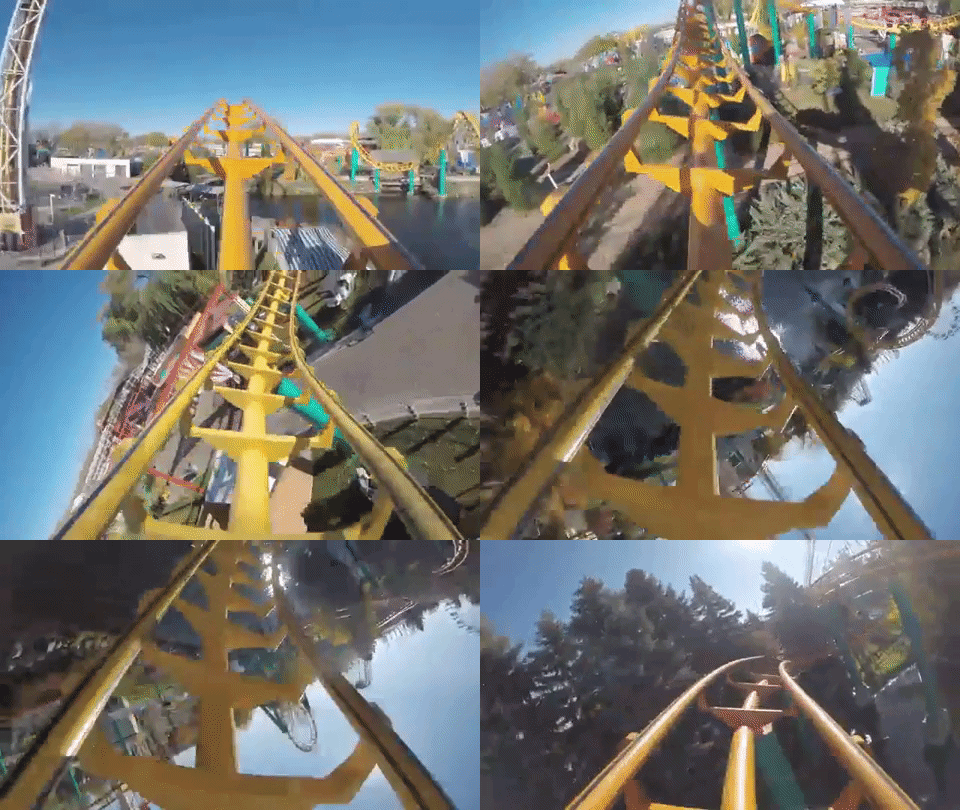
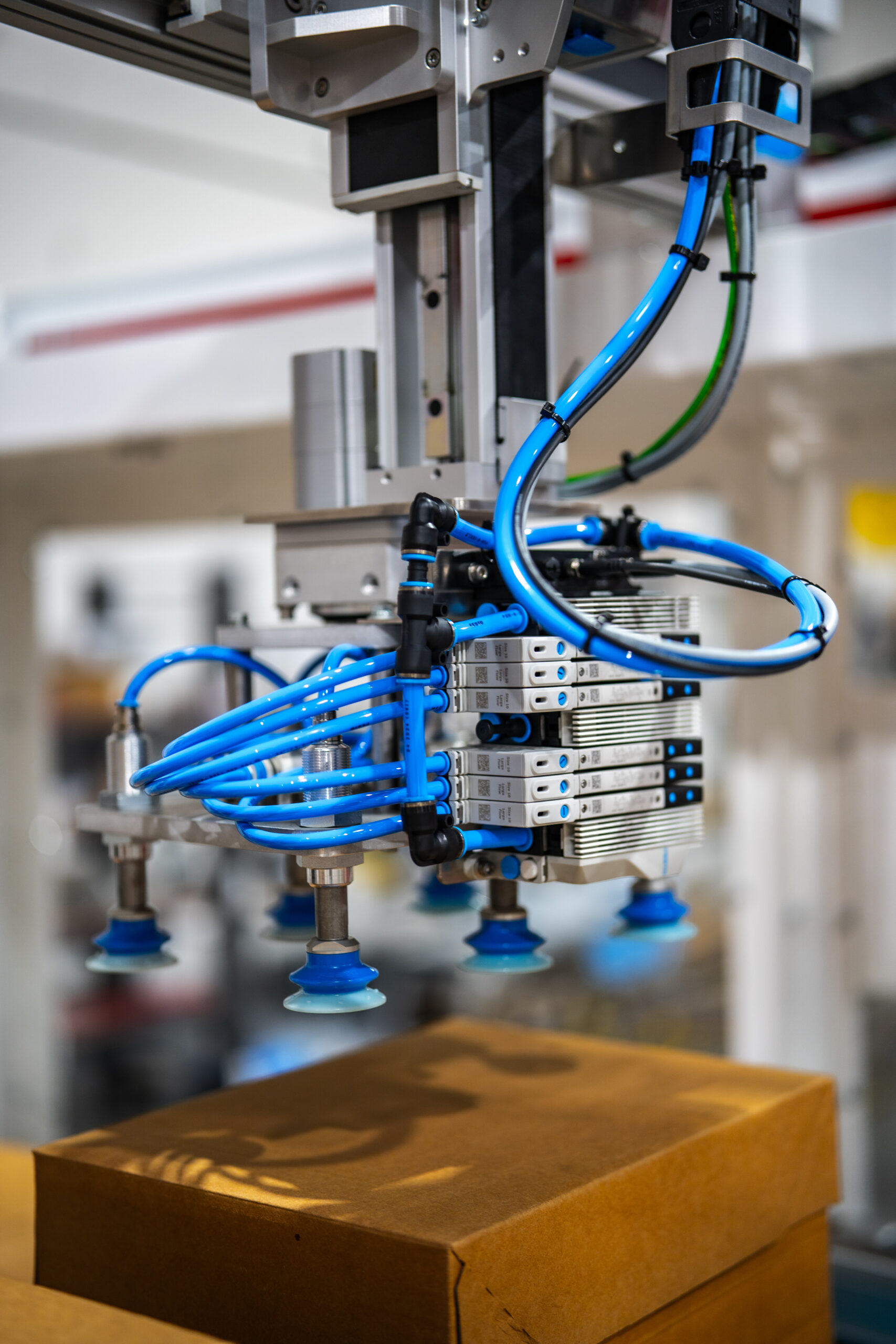
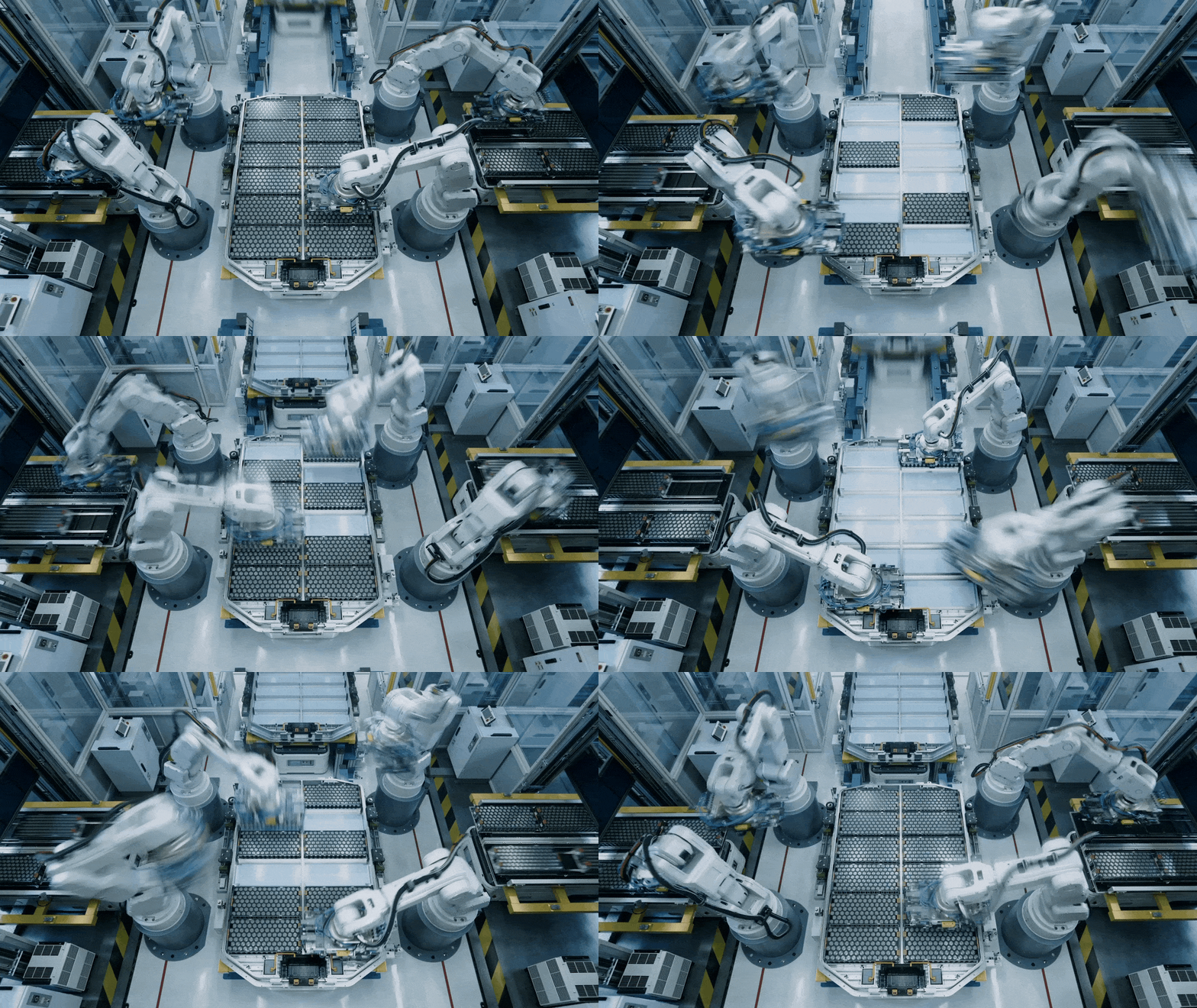
EtherCAT synchronization to well under 1 µsec makes it suitable for coordinating servoaxes, electronic camming, interpolation, and realtime feedback loops of conveyance and robotics. For the latter, seventh-axis systems integrate as just another synchronized axis. That’s useful for packaging and assembly machinery, semiconductor production, machine-tool tending, and converting equipment.
Large process images also accommodate closed-loop feedback from machine vision and LiDAR and can coordinate motion with non-motion machine tools — the deposition systems in additive manufacturing, for example. Determinism is maintained across hundreds of distributed I/O points.
In short, EtherCAT networks allow simultaneous handling of high-speed servodrives, remote I/O, functional safety, vision systems, condition monitoring, energy monitoring, and smart sensors. Cyclic mailbox communication allows on-the-fly parameter changes to setpoints without halting execution. Accommodation of acyclic communication allow the networking of many enterprise-level operations and IT-OT integration.
Realtime diagnostics and condition monitoring via EtherCAT leverage the subdevices for vibration, load, temperature, and other data without adding bus overhead or disrupting motion-control tasks.
EtherCAT vs. OPC UA FX and CANopen XL

New technologies are released to market all the time. Case in point: OPC UA Field eXchange or FX is an extension of OPC UA using TSN as its timing mechanism to bring deterministic controller-to-controller and controller-to-device communication into applications traditionally occupied by industrial Ethernet fieldbuses. The FX variation may create some competitive overlap with EtherCAT though for now the trend seems to be continued complementary deployment with EtherCAT handling deterministic machine-level control and OPC UA managing interoperability, analytics, digital twins, and cloud connectivity above.
Another newer standard (primarily for automotive and heavy machinery applications) is CAN XL for 20-Mbps speed and Ethernet tunneling as standardized under ISO 11898-1 using a shared bus architecture on which nodes compete for priority with payloads to 2,048 bytes per frame. In emerging AGV applications involving large data payloads but not synchronization, CAN XL may be more cost effective than EtherCAT … because its single twisted-pair wiring can handle both motor control and sensor data.
Networking industrial safety with EtherCAT
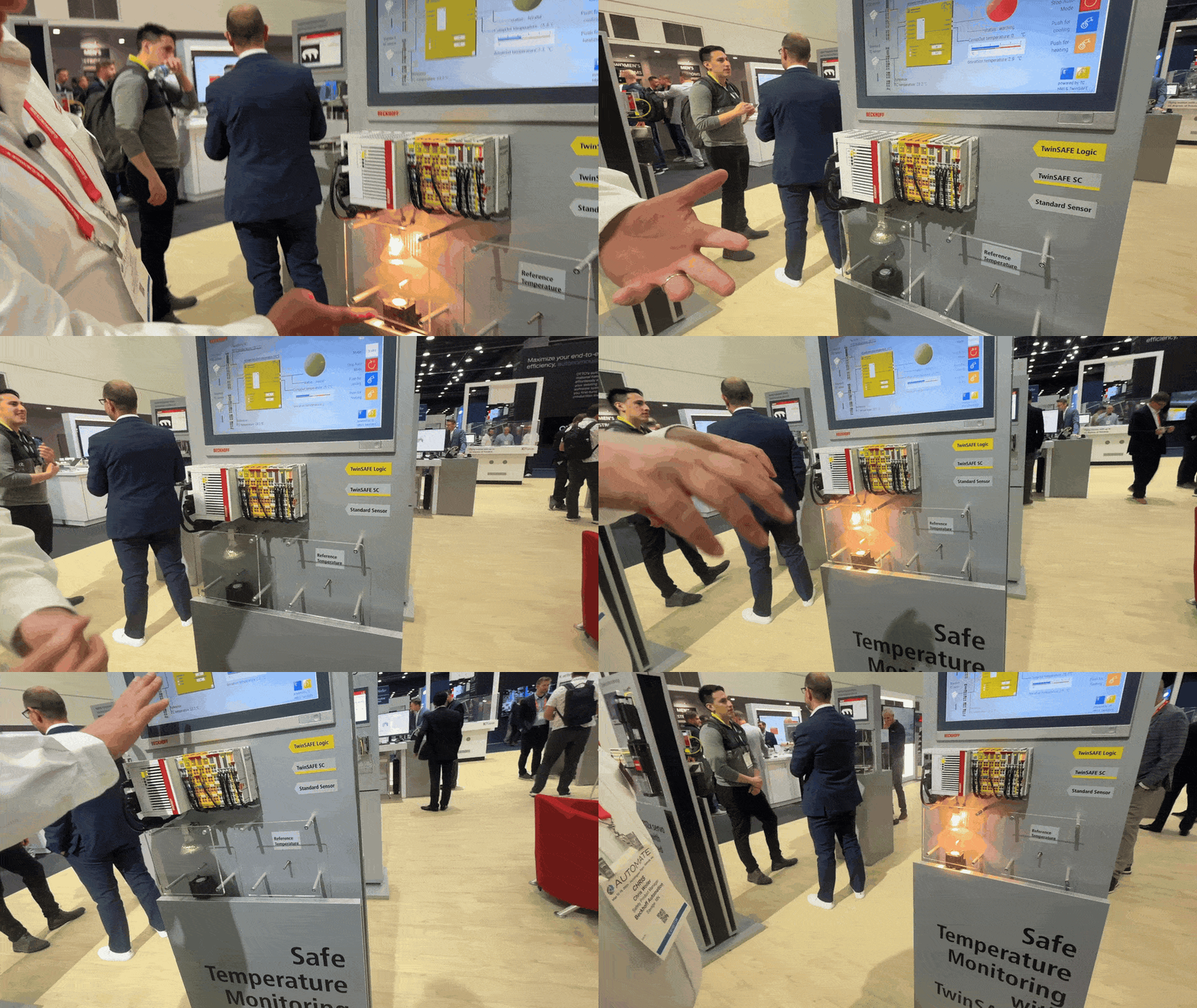
Traditional industrial safety to prevent hazards and safeguard both equipment and users employ so-called white-channel networks — dedicated and redundant wiring and componentry that add to machine-build cost and complexity. No wonder black-channel safety-networking approaches (including PROFIsafe and safety over EtherCAT) are seeing increased adoption. Here, machine-safety communications travel on the same wiring as regular acyclic and cyclic traffic using a safety protocol between the lower OSI layers and application layers.
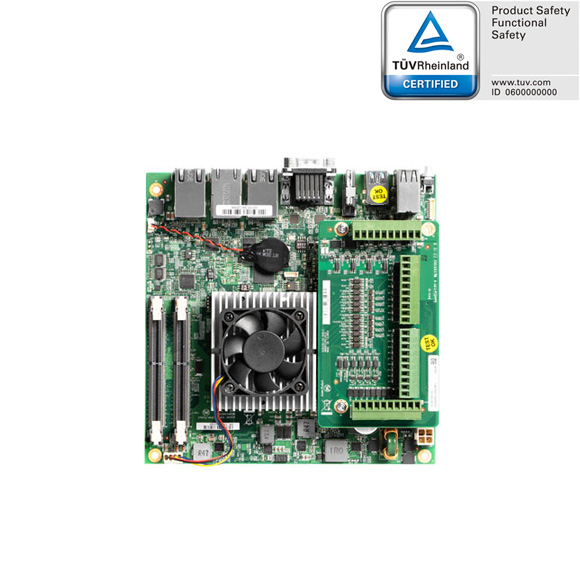
FailSafe over EtherCAT or FSoE is an IEC 61508-based protocol suitable for applications to SIL 3. Engineers can add functional safety to equipment with FSoE so light curtains, laser scanners, and discrete safety sensors and encoders sharing temperature, vibration, position, and speed data can inform commands that go directly to contactors, drive safe torque off or STO functions, and locks as well as those coming come via a safety controller. FSoE devices are commonly certified to SIL 3 and ISO 13849-1 PL e depending on the complete device and safety function.

Leave a Reply
You must be logged in to post a comment.