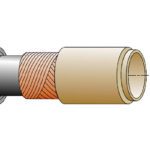
A typical brushed DC motor consists of an outer stator, typically made of either a permanent magnet or electromagnetic windings, and an inner rotor made of iron laminations with coil windings. A segmented commutator and brushes control the sequence in which the rotor windings are energized, to produce continuous rotation. Coreless DC motors do away […]
DC Motors
What are wound field motors and where are they applied?
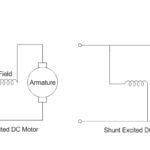
Brushed DC motors are generally available in two types, depending on the construction of the stator: permanent magnet or wound field. Both motor types use current and windings to produce a magnetic field in the rotor, but they differ in how the stator magnetic field is produced: via permanent magnets inside the stator or with […]
What’s the difference between an EC motor and a BLDC motor?
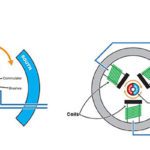
Deciphering motor terminology can be frustrating, especially when comparing the operation and performance of various motor types. For example, some motors are characterized by their speed (synchronous or asynchronous) while others are characterized by their commutation method (brushed or brushless). And then there’s the issue of whether the motor is operated with AC or DC […]
What’s the difference between cogging torque and torque ripple?
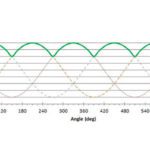
The basic operation of an electric motor relies on the interaction between the rotor’s permanent magnets and the stator’s energized windings. But even when the motor is not powered and no current is flowing though the windings, there is a magnetic attraction between the permanent magnets of the rotor and the ferromagnetic teeth of the […]
Allied Motion debuts Globe Line of mil-spec PMDC motors, planetary gearmotors

Allied Motion Technologies announces the Globe line of mil-spec-qualified fractional horsepower PMDC motors and gear motors. These motors are available off-the-shelf or on short lead time through Allied’s QuickShip program. Modified versions – with specially machined mounting provisions, holding brakes, tachometers and/or encoders – are available within two to three weeks through Allied’s QuickMod program. […]
External rotor motor basics: Design and applications

Conventional brushless DC motors are constructed with a permanent magnet rotor located inside a wound stator. But one type of DC motor is designed with the rotor on the outside and the stator and housed inside the rotor. Permanent magnets are mounted on the inner diameter of the rotor housing (sometimes referred to as the […]
Brushless dc motors for industrial power tools: Comparison of options including slotless motor variations

Industrial power tools have operating profiles that differ from those of most other motor-driven applications. That’s why motors that go into these tools need specialized designs. By Thomas Baile, Business Development Manager | Portescap Most electric-motor-driven designs demand torque for the entirety of their motion. In contrast, power tools for fastening, gripping, and cutting applications […]
How can a universal motor operate on either DC or AC supply?
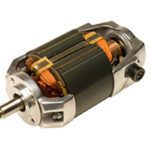
A universal motor is a series-wound motor — meaning that the field and armature windings are connected in series — and is mechanically commutated with brushes and a commutator. Although its construction is very similar to a series-wound DC motor, a universal motor incorporates several modifications that allow it operate properly on either DC or AC […]
New autoclavable BLDC motor controller from Portescap
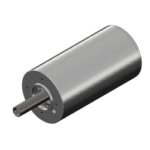
Portescap now sells an autoclavable Brushless DC motor controller — the CNT1530 — for driving large bone orthopedic handpiece motors. The controller leverages Portescap’s market leading autoclavable design capability and surgical application expertise to provide a reliable, customizable setup to the orthopedic market. This new controller will help improve surgical hand tool’s performance and reliability, […]
Electric motors: Trends in stepper, battery-powered, and integrated motion designs
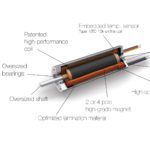
Updated November 2019 ⚙️ From induction motors in electric vehicles to tiny coreless dc motors in drug-delivery equipment, electric motors continue to proliferate. Last year we saw consumer products, implantable medical devices, and automation of previously manual tasks spur the most innovation in motor design and use. This year those trends continue — and now […]